

Why do the founders of many successful family-owned businesses and companies, that enjoy goodwill among their customers and in their community, often fail to sustain their company into the next generation of the family? Many of these emerging growth companies have survived No Man’s Land or at least are headed in the right direction—only to flounder on the issue of inter-generational transition.
The Problem
Often, the problem is the lack of a suitable leader to take the company forward. The son or daughter believes they can handle it. Mom or Dad is not so sure; or, while Mom or Dad is driving the next generation to take over the business, the next generation has other interests. Maybe the successors want to succeed on their own and don’t want to be seen as having had success “handed to them.” The result? The business struggles with the transition until a crisis decision is made. This rarely leads to a good outcome.
Even in an environment where all parties are willing, the positioning and timing of succession is absolutely critical. The heir must be perceived by the non-family staff as a capable leader. This may take a while, especially if the successor has little formal managerial or leadership training, or experience outside the company. Growing up in the business and being able to handle most of the functions is not the same as developing the traits to lead a company from No Man’s Land to steady growth and possibly takeoff.
 Succession in family businesses is fraught with emotion. Sibling rivalry, charges of favoritism and finger pointing are common and can be damaging to the business and the family. An independent third party can help shepherd the second-generation of ownership to take over the helm of the company while positioning it for continued growth.
Many successful family businesses hire experts, i.e. a successful CEO to work one-on-one with the heir apparent, observing and advising on the handling of matters critical to the growth of the business.
Advisory Boards
Other family firms have introduced independent advisory boards to advise the managing generation on succession (as well as other matters). Such a group can be particularly beneficial in leveraging the firm’s advantages. These boards provide the motivation that all stakeholders share to preserve and extend the family’s name and legacy and the desire to create additional jobs that benefit the local economy.
Example of a Difficult Transition
For example, a 24 year old mid Atlantic-based electronics firm faced a very difficult family transition. The husband and wife owners were going through a divorce, which included disagreement over valuation of the company and the lack of a buy/sell arrangement in place. In addition, the wife attempted to position her son from a prior marriage as the successor – assuming she became the 100% owner post-divorce.
An advisor came into to the firm to help the principals focus on running the business while addressing the transition. In parallel, the advisor worked with the son on a weekly basis to prepare him for his future CEO role. Three years later, the divorce is complete, the ownership has transitioned and the second generation of company leadership is well on its way to improved performance and transition out of No man’s Land.
The 4 Ms of No Man's Land
Throughout this firm’s transition, the principals focused on helping the next generation leader understand and act on what the No Man’s Land framework calls The Four Ms. The company's Model was tuned to improve margins and address larger opportunities. Its Market was broadened to incorporate new offerings of more comprehensive solutions to customers. The Management was strengthened to ensure succession would be accomplished and durability achieved. And the Money to fuel future growth was generated from higher profits from successful operation of the business.
Like other emerging growth companies, family businesses can benefit from the intervention of a third party advisor who can help the founder(s) recognize their need for change, change that is consistent with the company’s aspirations and values.
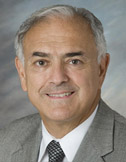
Click Art's picture to see his bio
contact Art at art.medici@newportboardgroup.com
image credit: cooperelderlaw.com


