

 Taking an organization into the future should not rest solely on the shoulders of a CEO. It requires the entire organization. To help make that happen, the CEO can shape the mindset of their team.
Newport partners have helped organizations to navigate their way into the future. Here are their suggestions.

Keith is a Newport partner in New England who has been president of operating divisions in four different Fortune 500 companies, in sales/marketing roles as well as other strategic leadership responsibilities.
“Thinking far ahead should be the job of the CEO. Direct reports need to be focused on executing the short and intermediate business plan strategies and tactics.”
 Alain Bouruet-Aubertot
Alain, a partner in Newport’s New York practice, is a seasoned CEO with global experience transforming publicly traded and venture-backed companies in the basic materials sector (chemicals, building products, construction materials, minerals, ceramics, metals, etc.).
“Step back from daily business issues and get input and discussion from the senior management team for a focus on a company's vision, the development of a plan and related targets to be achieved.”

Terry’s areas of expertise in the high tech industry include business development, turnarounds, culture change, identifying and executing on new avenues for business growth and developing C-level and Division level talent.
“Remind your team constantly: We have to help define and develop the future we want or we will have to endure the future someone else gives us.”
.jpg?width=150&name=Devich__Joe_200x200_(2).jpg "joe devich")
Joe is a Newport partner in Dallas who, among other accomplishments, conceived the idea of a provider of IP network delivered through software-as-a-service, driving market penetration before achieving a successful sale of the company.
“Have regular, uninterrupted planning sessions to surface and address long range issues. These should be given importance on a par with dealing with today’s crises.”
 Jack Donahue
Jack is a Newport partner in New York who is a strategic CFO with experience in public and private companies. He has experience with private equity as CFO of portfolio companies and as an operating partner helping to drive exits.
“First, the CRO can encourage planning by setting a good example in this regard. Second, all discussions of corporate strategy, marketing plans, etc. should simply be multiyear oriented.”
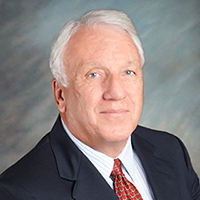
Peter is a Newport partner in Texas who is a versatile operating executive with a long record of accomplishments running businesses including manufacturing, industrial and technology based companies.
“Formalizing a multi-year strategic plan that is bought into by the company is key. Systematically updating the plan and integrating it into the annual budget with department heads taking responsibility for achieving key metrics is the next step.”
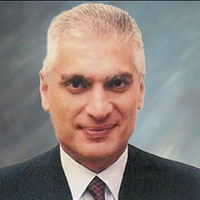
Ferey is a Newport partner in Northern California whose experience, along with management consulting and investment banking, has served as president of a company that develops advanced optical sensing solutions for the aerospace, energy and medical devices markets.
“Creating a strategic plan to which the executive team has contributed is a great way to get a buy-in from them and to ensure clarity of purpose. When the vision, mission and culture of the company is defined, articulated and consistently implemented, the direct reports will be able to see the road ahead.”

Bill Heermann is a partner in the Colorado practice of Newport Board Group. Bill has deep expertise in building and running industrial manufacturing and construction companies.
“Consult and guide your employees. Add new experiences to each employee’s responsibilities and offer critiques on how you might have approached the issue.”

Tom Henricks began his four decades in aerospace as a fighter test pilot in the U.S. Air Force before being selected by NASA to become an astronaut. After leaving NASA, Tom has held a series of senior level positions in the aviation industry.
“Try a 5, 10, or 20 year “back cast” exercise. Imagine the business 5, 10, or 20 years in the future and chart the path from present.”
 Woody Hobbs
Woody, a Newport partner in Denver, is an experienced executive who has served as CEO of several information technology companies and also as a CIO who has innovated new models.
“I like to have a planning session where the senior team thinks in some detail about how their company would work if it were to grow to ten times its current size. This tends to force everyone "out of the box" and enable creative thinking about growth and future issues that will arise.”

Sam, a Newport partner in Atlanta, is a seasoned executive with a record of implementing strategies to enhance revenues and profits across a variety of industries. He has particular expertise in assisting clients in redesigning their sales organization and sales management processes.
“Get help in the form of an advisor who knows how to get the team thinking two years into the future. Most CEOs don't know how to do it themselves - must less get others to do it.”
Richard, a Newport partner in Phoenix, has had a 30 year career as a leader of for-profit and non-profit organizations. Most recently he was the Founder, Chairman and Executive Director of the Arizona Business Coalition on Health.
“Get help in the form of an advisor who knows how to get the team thinking two years into the future. Most CEOs don't know how to do it themselves - much less get others to do it. In a planning session, draw a large image of a target on the board. Tell everyone that this target represents the company in two years and then ask the group to come up with 10-15 key descriptors of the company at that time. You will get some wonderful answers in this exercise...things like "number one in market share west of the Mississippi" or "the best place to work in the entire city" or "customer satisfaction ratings have increased from 86% to 95%" Putting the target on the board provides a visual representation that people will remember and get excited about.”

Bill, a partner in Newport’s Atlanta practice, has, among other executive roles, served as CFO and COO of a staffing company and CFO of a wireless service provider in the Caribbean.
“Every company needs to have a strategic plan that looks out over the next 2-3 years.”
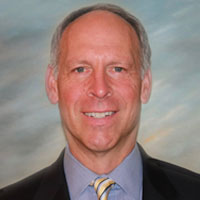
Steven is a Newport partner in New England who has driven growth and turnarounds as a CEO, business leader, board member, and advisor in the HR Technology, Business Services, Financial Services, and Health Care Payer industries.
“Build a strategy based on 3,6,12,24, 36 month snapshots. Live, eat, breathe and manage this way every day.”
.jpg?width=150&name=otto_billie-46_200x200_(2).jpg "billie otto")
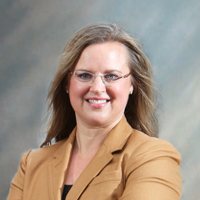
Billie is a Newport partner in the Pacific Northwest who has been Executive VP and CIO of TrueBlue Inc. (NYSE: TBI) the largest industrial staffing firm in the U.S.
“The best tool is a clear, concise strategy which is all about where an organization is going and why. It should act as a filter and mechanism to promote focus. Done well it should help resource managers stay the course while helping the leadership team know when to change direction because a strategic assumption has changed. Additionally, those who hold critical positions should be compensated with a balance of easy to understand short and long-term incentives.”

Ted Parrish is a Newport partner in Dallas. His background in advisory services includes solving strategic and operating problems for banks, financial service companies, manufacturers, distributors, retailers and transportation companies.
“Allow them to develop a vision for the company that can actually be executed and then knock down barriers to its success. By so doing, the CEO demonstrates that there is value in thinking about the future and not just managing quarter to quarter.”
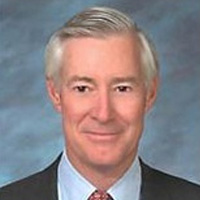
Peter has extensive experience as a senior executive and advisor on issues like corporate restructuring, debt management, cost management and fundraising.
“Have a well developed mission and long term plan. Regularly find the time and free up attention from the day-to-day to discuss long term issues.”
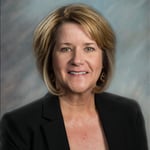
Joan is a Newport partner in Phoenix who has held a number of senior management positions with CNA National Warranty Corp, culminating as President and CEO.
“Provide time and access for your people to continually listen to customers and think about how your organization can solve their problems. Provide ongoing market/industry information through subscriptions and industry association memberships and support for training and education. Encourage them to look for opportunities to solve problems for customers in an adjacent space (i.e. apply core competencies of organization to new industry or market niche). Be open to new ideas wherever they come from. Consider trends in technology and how your organization can exploit them.”

John, a Newport partner in New England, has delivered top- and bottom-line results running a wide range of companies, including several units of United Technologies Co. (UTC) in the fire suppression business.
“An effective CEO would be well advised to have a formal Medium Term Plan (MTP) which would encompass at least three years of forward planning. The CEO and his management should then define shared goals and objectives that are specific, measurable and consistent with the tenets of the MTP. Progress against these goals should be reviewed each quarter.”

Since 2000, Caleb has been a Board Director with Ensign-Bickford Industries, Inc., a portfolio of manufacturing companies whose products include pet foods, solutions for aerospace and defense, life science diagnostic testing, specialty chemical processing and commercial real estate.
“The leadership should be spending at least 50% of their time thinking about the 24 month+ strategy. This may require extensive business process redesign but is fundamental. The other key is to have a planning process that goes out 3-5 years and is bottom up involving the whole organization This is NOT about creating a simple financial target that then devolves into a a mathematical exercise to fill in the gaps with groundless assumptions.”
 Patrick Worsham
Patrick is a Newport partner in West Florida who has top executive team experience ranging from the Coca-Cola Company to a privately-owned, mid-sized wholesale distributor and a start- up advertising enterprise.
"Communicate the strategic objectives to the organization and ideally have the direct reports actively participate in the strategic planning process. Ensure that each direct report understands how his/her organization and activities relate to the achievement of the strategic objectives of the organization.”
"Helping you navigate through No Man's Land ."
Learn how trusted advisors, like Newport Partners, can help entrepreneurs and CEOs weigh and mitigate the risks of growing beyond No Man’s Land in this free whitepaper.

